
Downtown Cedar Rapids, IA: Living, Dining, Entertainment & Real Estate
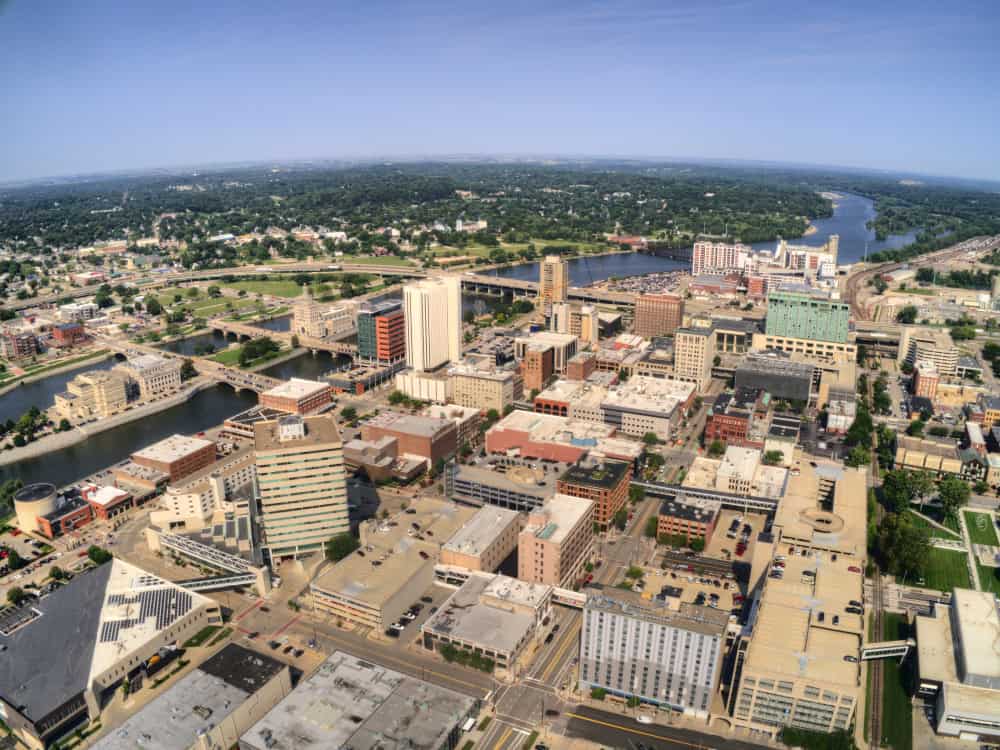
Downtown Cedar Rapids is a central district known for its mix of residential living, local businesses, entertainment venues, restaurants, and outdoor recreation along the Cedar River. Continued redevelopment and investment have expanded housing options, improved walkability, and strengthened the area's role as a destination for shopping, arts, and events.
Residents can find condominiums, loft-style residences, renovated historic buildings, and mixed-use developments within proximity to restaurants, trails, entertainment venues, and major employers. Downtown Cedar Rapids also provides convenient access to surrounding neighborhoods and regional transportation routes.
Whether searching for downtown condos, new construction opportunities, or homes near local amenities, buyers can explore a range of real estate options throughout the urban core.
Residential Living in Downtown Cedar Rapids
Downtown Cedar Rapids offers a variety of housing styles that appeal to buyers seeking walkable access to restaurants, entertainment, parks, and workplaces. Residential options include:
- Downtown condominiums
- Loft-style apartments and residences
- Historic building conversions
- Mixed-use residential developments
- New construction projects
- Townhomes near downtown amenities
Many properties are located near local coffee shops, trails, public gathering spaces, and entertainment venues, creating convenient access to everyday activities and community events.
Popular Downtown Housing Features
Homebuyers exploring Downtown Cedar Rapids often look for:
- Open-concept floor plans
- Rooftop patios and shared amenities
- River or skyline views
- Attached parking or secured access
- Contemporary finishes
- Walkable access to dining and shopping
- Proximity to the Cedar River Trail system
Search Homes for Sale in Cedar Rapids
Arts, Culture & Entertainment in Downtown Cedar Rapids
Downtown Cedar Rapids serves as a regional destination for arts, culture, music, and entertainment. Throughout the year, the district hosts concerts, live performances, community festivals, and seasonal events.
Entertainment & Cultural Venues
- Paramount Theatre: The Paramount Theatre is one of Downtown Cedar Rapids’ most recognized historic venues, hosting Broadway performances, concerts, comedians, and community events throughout the year.
- Theatre Cedar Rapids: Theatre Cedar Rapids offers local theatrical productions including musicals, plays, and educational programming.
- Alliant Energy PowerHouse: This multi-purpose venue hosts concerts, sporting events, conventions, and entertainment programming in the downtown district.
- U.S. Cellular Center Convention Complex: Connected to the arena district, the convention center accommodates conferences, expos, meetings, and regional events.
Restaurants, Breweries & Shopping
Downtown Cedar Rapids features a growing collection of locally owned restaurants, breweries, coffee shops, boutiques, and specialty retailers. Visitors and residents can find a range of dining experiences, from casual cafés to upscale dining establishments.
Popular Downtown Experiences
- Outdoor patio dining
- Local breweries and taprooms
- Coffee shops and bakeries
- Boutique retail stores
- Seasonal farmers markets
- Live music venues
- Downtown community events
The district’s mix of dining and retail options contributes to an active street-level environment throughout the year.
Business & Economic Development
Downtown Cedar Rapids continues to experience commercial growth through redevelopment projects, office expansions, housing investments, and infrastructure improvements. The area serves as a hub for:
- Financial services
- Healthcare organizations
- Technology companies
- Professional offices
- Government services
- Hospitality and tourism
Its central location and concentration of businesses support continued demand for downtown housing and mixed-use development.
Parks, Trails & Outdoor Recreation
Despite its urban setting, Downtown Cedar Rapids offers access to outdoor recreation and public green spaces along the Cedar River.
Outdoor Amenities
- Greene Square: Greene Square provides open green space used for community events, public gatherings, seasonal markets, and outdoor activities.
- Cedar River Trail: The Cedar River Trail connects downtown with additional parks, neighborhoods, and recreation areas throughout the region. The paved trail system supports walking, running, and biking.
- McGrath Amphitheatre: Located along the riverfront, the amphitheatre hosts concerts, festivals, and outdoor entertainment events with views of downtown Cedar Rapids.
Downtown Cedar Rapids Real Estate Market
The Downtown Cedar Rapids real estate market includes a combination of established residences and newer development opportunities. Buyers searching for urban living often explore:
- Downtown condos for sale
- Loft residences
- New construction developments
- Riverfront properties
- Mixed-use communities
- Investment opportunities
Inventory, pricing, and availability can vary throughout the year depending on market conditions and redevelopment activity.
Why Buyers Explore Downtown Cedar Rapids
Downtown Cedar Rapids continues to attract buyers seeking:
- Walkable urban living
- Access to entertainment and dining
- Proximity to employers and offices
- Modern condominium developments
- Historic architecture
- Riverfront recreation
- Community events and cultural attractions
The combination of residential growth, entertainment, and infrastructure investment continues to shape downtown as a central destination within Cedar Rapids.
FAQs About Downtown Cedar Rapids
What types of homes are available in Downtown Cedar Rapids?
Downtown Cedar Rapids offers condos, lofts, mixed-use developments, historic conversions, and new construction residences.
Is Downtown Cedar Rapids walkable?
Many downtown residential areas provide walkable access to restaurants, entertainment venues, parks, and local businesses.
What attractions are located in Downtown Cedar Rapids?
Popular attractions include the Paramount Theatre, Greene Square, McGrath Amphitheatre, Cedar River Trail, and local restaurants and breweries.
Are there condos for sale in Downtown Cedar Rapids?
Yes. Buyers can often find downtown condominiums and loft-style residences near entertainment districts and riverfront amenities.
What outdoor recreation options are nearby?
Residents have access to trails, parks, riverfront recreation, outdoor events, and public gathering spaces throughout downtown.

.webp)

