

Fun Facts About Cedar Rapids, Iowa
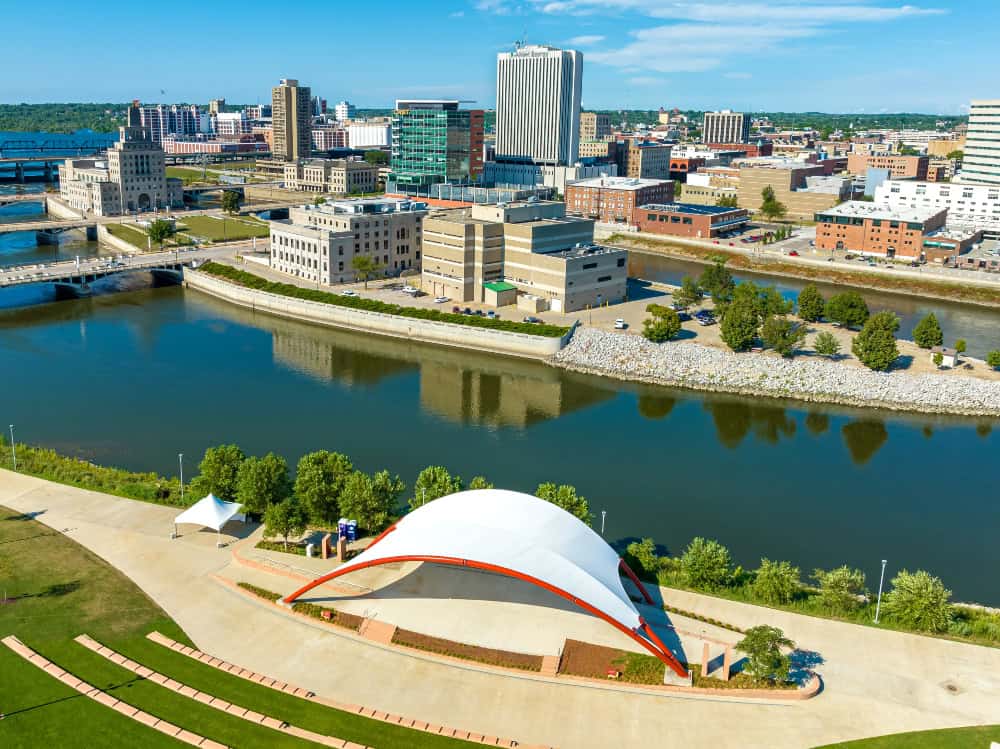
Discover Interesting Facts About Cedar Rapids
Cedar Rapids, Iowa is known for its history, arts community, manufacturing industry, riverfront development, and cultural attractions. Located along the Cedar River in Eastern Iowa, the city combines historic neighborhoods, entertainment districts, local businesses, and outdoor recreation with a growing residential and commercial landscape.
From its “City of Five Seasons” nickname to its connections with Grant Wood, Czech and Slovak heritage, and nationally recognized landmarks, Cedar Rapids offers a unique blend of history, culture, and innovation.
Whether relocating to the area, exploring local neighborhoods, or learning more about the city’s background, these fun facts provide insight into what makes Cedar Rapids distinct within Eastern Iowa.
Cedar Rapids Is Known as the “City of Five Seasons”
One of the most recognized facts about Cedar Rapids is its nickname: the “City of Five Seasons.” The phrase represents the idea that residents should take time to enjoy all four seasons while appreciating an additional “fifth season” dedicated to life, recreation, and community experiences.
The Tree of Five Seasons sculpture located on the north side of the Cedar River has become one of the city’s best-known landmarks and a recognizable symbol of Cedar Rapids.
Why It Matters
The “City of Five Seasons” identity reflects several qualities associated with Cedar Rapids:
- Access to parks and trails throughout the year
- Seasonal festivals and outdoor events
- Riverfront recreation opportunities
- Community gathering spaces
- A balance between urban amenities and outdoor recreation
The Cedar River Shaped the City’s Development
The Cedar River has played a major role in the history, growth, and development of Cedar Rapids. Early industries and businesses were established near the river, helping support transportation, manufacturing, and economic growth throughout the region.
Today, the riverfront continues to influence recreation, redevelopment, and public gathering spaces throughout downtown Cedar Rapids.
Cedar River Highlights
The river corridor includes:
- Cedar River Trail access
- Parks and outdoor recreation areas
- Riverfront entertainment venues
- Downtown redevelopment projects
- Public art and event spaces
- Scenic walking and biking routes
The city also continues long-term flood management and infrastructure improvements following the 2008 flood that significantly impacted Cedar Rapids.
Cedar Rapids Is Closely Connected to Grant Wood
Cedar Rapids was home to artist Grant Wood, one of the most recognized figures in American Regionalism. He is best known for the painting “American Gothic,” one of the most recognizable works in American art history.
Grant Wood lived and worked in Cedar Rapids, and his legacy remains connected to the city through museums, studios, and cultural institutions.
Places Connected to Grant Wood
Visitors can explore:
- Cedar Rapids Museum of Art
- Grant Wood Studio
- Public art collections
- Regional art exhibits
- Local arts and cultural programming
The Cedar Rapids Museum of Art houses the world’s largest collection of Grant Wood works.
Cedar Rapids Has Deep Czech & Slovak Heritage
Cedar Rapids is home to one of the largest Czech and Slovak cultural communities in the United States. The city’s Czech Village and New Bohemia districts continue to celebrate this heritage through architecture, museums, festivals, restaurants, and local businesses.
Immigration from Central Europe helped shape the city’s cultural identity during the late 19th and early 20th centuries.
Czech Village & NewBo Highlights
Popular attractions include:
- National Czech & Slovak Museum & Library
- NewBo City Market
- Cultural festivals and events
- Historic commercial buildings
- Local bakeries and restaurants
- Public art and community programming
These districts remain among the most visited areas in Cedar Rapids.
Cedar Rapids Is Home to Quaker Oats
Cedar Rapids is home to one of the world’s largest cereal mills operated by Quaker Oats. The facility has been part of the city’s industrial landscape for generations and remains closely associated with Cedar Rapids’ manufacturing and food production industries.
The aroma associated with cereal production is often noticeable throughout portions of the city and has become a familiar part of local identity.
Cedar Rapids Manufacturing History
The city has long been connected to industries such as:
- Food processing
- Manufacturing
- Transportation and logistics
- Technology
- Agricultural production
- Industrial innovation
These industries continue to support the regional economy and employment base.
Cedar Rapids Is Home to the Mother Mosque of America
The Mother Mosque of America, located in Cedar Rapids, is recognized as the oldest standing mosque in North America. Built in 1934, the mosque remains an important cultural and historical landmark within the city.
The building reflects the contributions of immigrant communities to Cedar Rapids’ history and cultural development.
Historical Significance
The Mother Mosque of America is known for:
- Its role in early Islamic history in the United States
- Historic preservation efforts
- Educational and cultural programming
- Recognition on the National Register of Historic Places
- Its connection to Cedar Rapids’ diverse cultural history
Brucemore Is One of Cedar Rapids’ Historic Landmarks
Brucemore is a historic estate and cultural site located near the center of Cedar Rapids. The property includes a mansion, gardens, event spaces, and historic grounds connected to several influential local families.
Today, Brucemore hosts community events, educational programming, performances, and seasonal tours.
Features of Brucemore
The property includes:
- Historic architecture
- Formal gardens and landscaped grounds
- Guided tours
- Community events
- Outdoor performances
- Preservation and educational programs
Brucemore remains one of the city’s most recognized historic destinations.
The Paramount Theatre Is a Downtown Landmark
The Paramount Theatre is a historic entertainment venue located in Downtown Cedar Rapids. Originally opened in 1928, the theater continues to host concerts, Broadway productions, comedians, and live performances throughout the year.
The venue underwent major restoration efforts following the 2008 flood and remains a centerpiece of downtown entertainment and arts programming.
Downtown Entertainment in Cedar Rapids
The downtown entertainment district also includes:
- McGrath Amphitheatre
- Theatre Cedar Rapids
- Restaurants and breweries
- Community festivals
- Riverfront events
- Public gathering spaces
Cedar Rapids Continues to Grow & Redevelop
Cedar Rapids continues to experience redevelopment and investment across residential, commercial, and recreational sectors. Downtown housing, mixed-use projects, trail expansion, and riverfront improvements continue to shape the city’s future.
New residential developments, business investment, and infrastructure improvements contribute to ongoing growth throughout the metro area.
Areas of Continued Growth
Current development trends include:
- Downtown residential projects
- Mixed-use developments
- Expanded recreation and trails
- Riverfront redevelopment
- Commercial investment
- Community revitalization projects
Why People Explore Cedar Rapids
People relocating to or visiting Cedar Rapids are often drawn to the city for:
- Local history and cultural attractions
- Outdoor recreation opportunities
- Arts and entertainment venues
- Walkable downtown districts
- Community festivals and events
- Historic neighborhoods
- Dining and local businesses
- Access to Eastern Iowa employers and amenities
Search Homes for Sale in Cedar Rapids
FAQs About Cedar Rapids, Iowa
Why is Cedar Rapids called the City of Five Seasons?
The nickname represents the idea of enjoying the four traditional seasons plus an additional “fifth season” focused on recreation and quality of life.
What is Cedar Rapids known for?
Cedar Rapids is known for its manufacturing history, arts community, Czech and Slovak heritage, riverfront development, and cultural attractions.
Was Grant Wood connected to Cedar Rapids?
Yes. Artist Grant Wood lived and worked in Cedar Rapids, and the city remains closely connected to his artistic legacy.
What is the Mother Mosque of America?
Located in Cedar Rapids, the Mother Mosque of America is recognized as the oldest standing mosque in North America.
What are popular attractions in Cedar Rapids?
Popular destinations include Brucemore, NewBo City Market, Paramount Theatre, Cedar Rapids Museum of Art, and the Cedar River Trail.

.webp)

